
Creating a home office that feels inviting and encourages productivity is essential, especially as more people embrace flexible working arrangements. Whether you have a dedicated room or a cosy corner, your workspace can be both comfortable and efficient with the right approach. In this post, we’ll explore practical tips to help you design a home office that motivates you and keeps distractions at bay.
Why a Well-Designed Home Office Matters
Working from home can blur the lines between personal and professional life. A thoughtfully arranged office space not only improves your focus but also supports your wellbeing. When your workspace is organised and pleasant, you’re likely to feel more motivated and less stressed.
Choosing the Right Location
Find a Quiet Corner
Ideal spaces are away from high-traffic areas and noisy spots. If privacy is limited, consider noise-cancelling headphones or room dividers to create a sense of separation.
Optimise Natural Light
Natural light boosts mood and alertness. Position your desk near a window if possible, but avoid glare on your screen. Use light curtains to soften direct sunlight.
Selecting Comfortable and Functional Furniture
Invest in an Ergonomic Chair
Comfort is key when spending hours at a desk. Choose an adjustable chair that supports your spine and encourages good posture.
A Desk That Fits Your Needs
Your desk should offer enough surface area for your computer, paperwork, and other essentials. Consider height-adjustable desks for the option to stand while working.
Keeping Your Office Organised
Use Storage Solutions
Keep clutter out of sight with shelves, drawers, or filing cabinets. Label boxes or folders to quickly find what you need.
Desk Organisers and Accessories
Pen holders, cable management clips, and document trays can keep your workspace tidy and functional.
Personalising Your Space
Add Personal Touches
Photos, artwork, or plants can make your office feel welcoming. Greenery not only looks nice but can improve air quality and reduce stress.
Choose Calming Colours
Soft, neutral colours like blues, greens, or pastels create a soothing environment. Avoid loudly coloured walls that might cause distraction.
Technology and Connectivity
Invest in Reliable Equipment
A fast internet connection, good quality monitor, and keyboard will make your work smoother.
Manage Cable Clutter
Use cable organisers or boxes to keep wires neat and prevent tangles.
Prioritising Good Lighting
Combine Ambient and Task Lighting
In addition to natural light, have adjustable desk lamps for focused work during darker hours.
Reduce Eye Strain
Position lighting to avoid screen glare and flickering, which can cause headaches and fatigue.
Building a Routine and Staying Motivated
Set Boundaries
Define your work hours and stick to them. Inform family members or housemates to respect your schedule.
Take Regular Breaks
Step away from your desk to stretch or get some fresh air. This helps maintain energy and focus.
Final Thoughts
A functional and inviting home office can make a significant difference to your daily work experience. By focusing on comfort, organisation, lighting, and personal touches, you create a space that inspires you and supports productivity. Remember, the best home office is one tailored to your unique needs and preferences—start experimenting and adjust your environment until it feels just right.
Related Posts
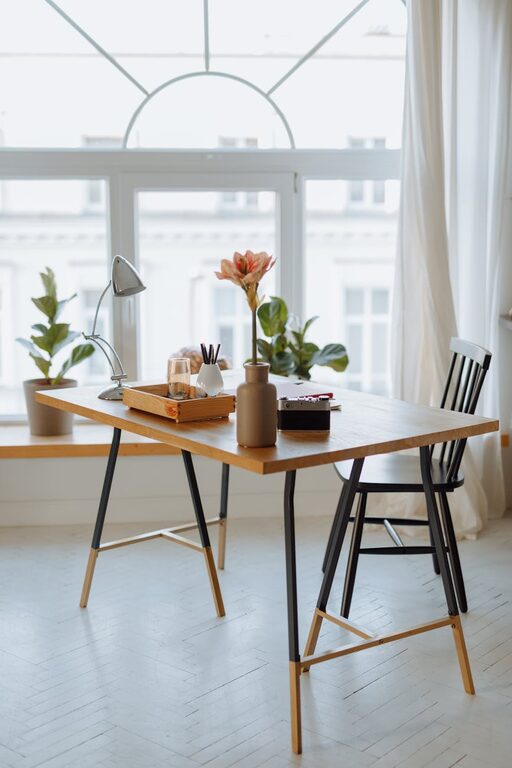
Tips for Creating a Relaxing Home Office Environment
Creating a relaxing home office environment is essential for maintaining…
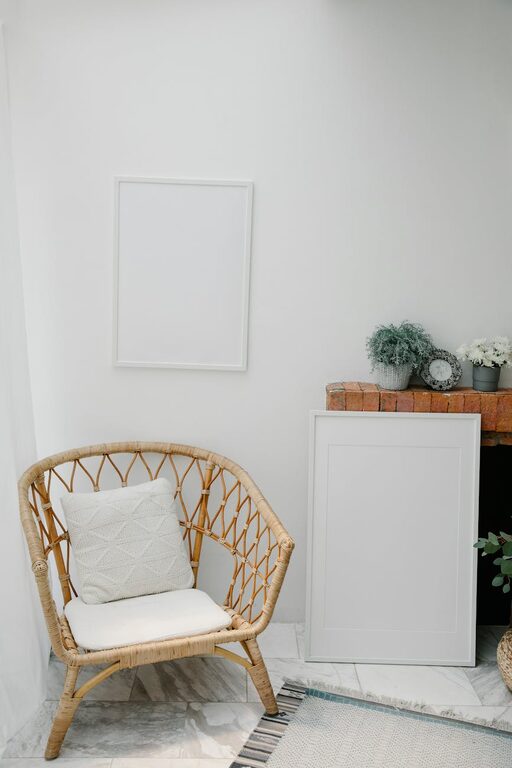
Tips for Creating a Relaxing Home Environment with Simple Decor and Natural Light
Creating a calming and relaxing home environment doesn’t have to…
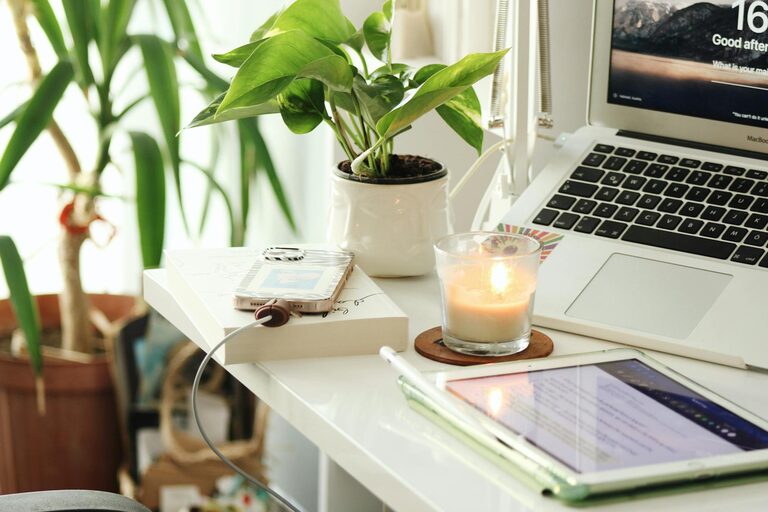
Tips for Creating a Productive Home Office Environment
Creating a productive home office environment is essential for anyone…