
Creating a productive home office environment is essential for anyone working remotely or running a business from home. A well-organised and thoughtfully designed workspace can improve focus, reduce stress, and increase overall efficiency. Whether you have a dedicated room or a small nook, these tips will help you make the most of your home office setup.
Choose the Right Space
The first step is selecting an appropriate spot for your home office. Ideally, it should be a quiet area with minimal distractions.
– Separate from living spaces: Try to avoid working from your bedroom or kitchen if possible, as these areas are linked to other activities and rest.
– Natural light: Pick a spot near a window to benefit from daylight, which can enhance mood and energy levels.
– Sufficient space: Make sure there’s enough room for your desk, chair, and any essential equipment or supplies.
Invest in Ergonomic Furniture
Comfort is key to maintaining long hours of work without discomfort or injury.
– Adjustable chair: Choose a chair that supports your lower back and allows feet to rest flat on the floor.
– Desk height: Your desk should be at a height where your forearms are parallel to the ground while typing.
– Monitor position: Place your screen at eye level to avoid neck strain.
Declutter and Organise
A tidy workspace helps reduce distractions and improves concentration.
– Limit items on your desk: Keep only essential items such as a computer, notebook, and pen.
– Storage solutions: Use shelves, drawers, or filing cabinets to store documents and supplies neatly.
– Cable management: Use clips or covers to organise cables and prevent a tangled mess.
Use Proper Lighting
Good lighting helps reduce eye strain and keeps you alert.
– Natural light: As mentioned, maximise daylight where possible.
– Task lighting: Add a desk lamp with adjustable brightness for focused tasks.
– Avoid glare: Position screens to minimise reflections from windows or lights.
Personalise Your Space
Adding personal touches can make your office more inviting and motivating.
– Plants: Small indoor plants improve air quality and add a calming element.
– Artwork: Include prints or photos that inspire or uplift your mood.
– Colour scheme: Use colours that help you feel relaxed yet alert; for example, blues and greens are often calming.
Set Boundaries and Maintain Routine
Working from home can blur the lines between professional and personal life.
– Define your work hours: Establish clear starting and finishing times, just as you would in an office.
– Breaks: Take regular short breaks to stretch, rest your eyes, and refresh your mind.
– Explain your workspace: Let family members or housemates know when you are working to minimise interruptions.
Optimise Technology Setup
Reliable and efficient technology is vital for a smooth workday.
– Fast internet: Ensure your connection supports video calls and file sharing without lag.
– Backup devices: Keep external storage or cloud services for important documents.
– Noise-cancelling headphones: Useful for blocking out background noise during calls or focused work.
Maintain Cleanliness
A clean office contributes to a healthy and pleasant environment.
– Daily tidy-up: Spend a few minutes organising your desk at the end of each day.
– Regular deep clean: Wipe down surfaces, keyboard, and equipment weekly to reduce dust and germs.
Final Thoughts
Designing a productive home office environment involves more than just equipment; it’s about creating a space that supports your work habits and wellbeing. By choosing the right location, investing in comfort, keeping organised, and setting boundaries, you can transform your home office into a place where you feel motivated and efficient every day. Implement these tips gradually to discover what best suits your style and needs.
Related Posts
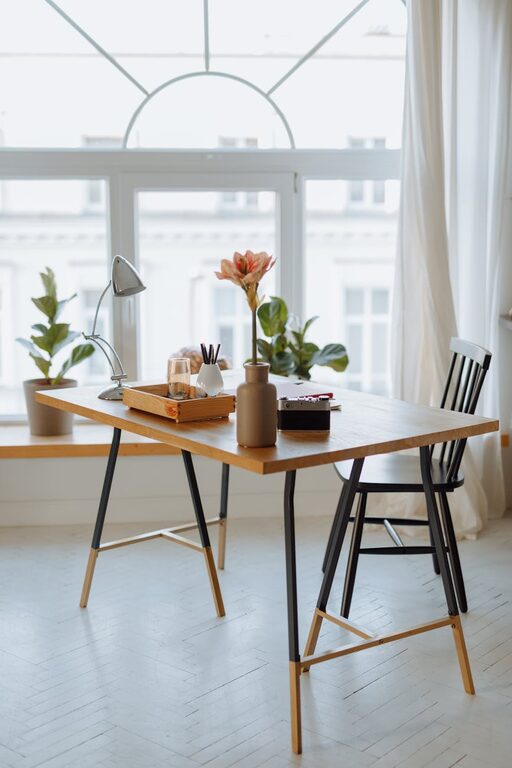
Tips for Creating a Relaxing Home Office Environment
Creating a relaxing home office environment is essential for maintaining…
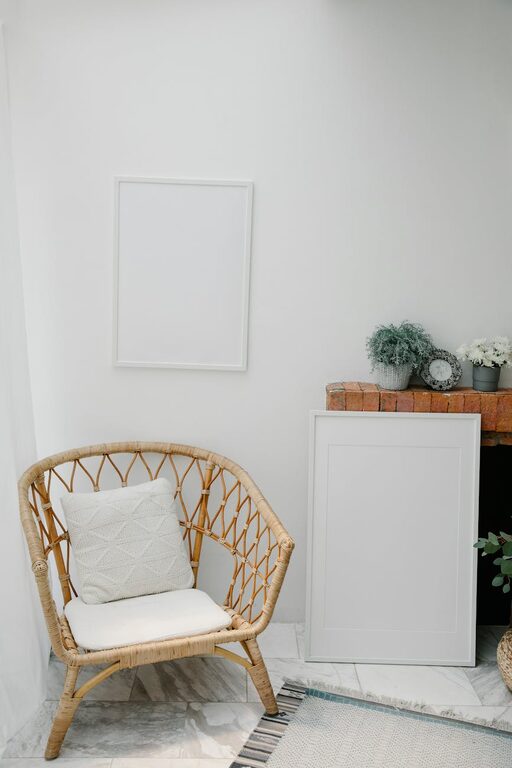
Tips for Creating a Relaxing Home Environment with Simple Decor and Natural Light
Creating a calming and relaxing home environment doesn’t have to…
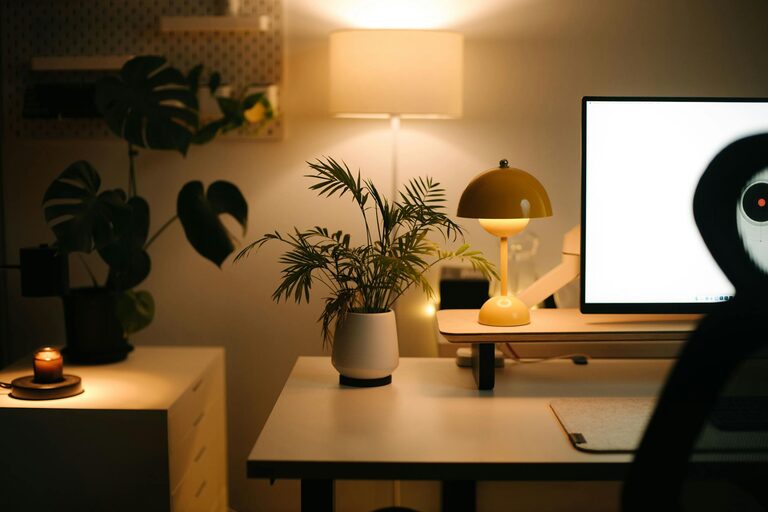
How to Create an Inviting and Productive Home Office Space
Creating a home office that feels inviting and encourages productivity…